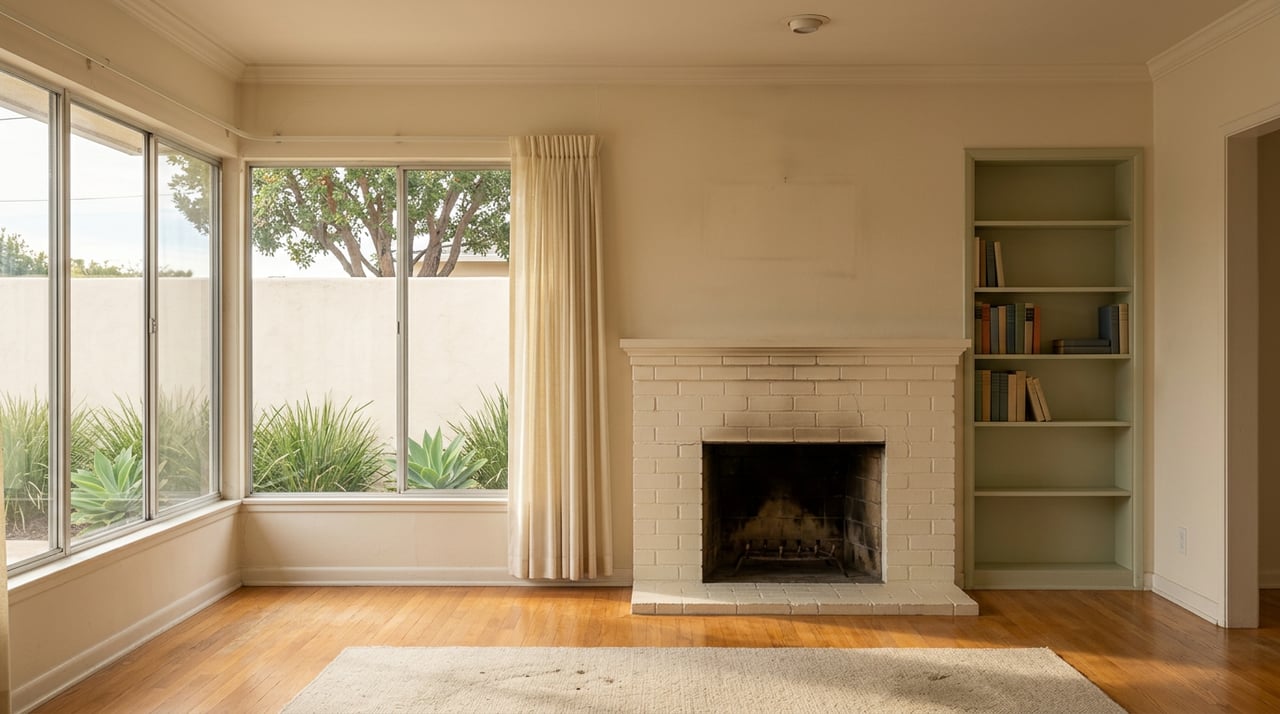
Selling an Inherited Home in Pico Rivera? The Accepted Offer May Not Be the Final Price
Picture the moment most families think marks the finish line. An offer comes in on a parent's house, the number works, everyone signs, and the family exhales. In a probate sale, that signature is often not the end of the story. Depending on how the court granted authority to the person handling the estate, that accepted offer can still be opened up to competing bids in a courtroom, in front of a judge, weeks after everyone thought the deal was done.
This catches people off guard more than almost anything else in a probate transaction. Not the paperwork. Not the timeline. The moment a stranger stands up in a public hearing and legally offers more money than the price the family already agreed to.
California probate law splits every estate sale into one of two tracks, and which track applies is decided long before a home ever gets listed. The difference comes down to the authority language in the court's Letters, the document that gives an executor or administrator power to act.
If the personal representative has full authority under the Independent Administration of Estates Act, the sale works close to a standard transaction. An offer gets accepted, a 15-day Notice of Proposed Action goes out to all heirs and beneficiaries, and if nobody objects in writing, escrow closes without ever seeing a judge.
Without that full authority, every accepted offer has to be confirmed by the probate court at a public hearing, and that hearing is where overbidding happens.
| Full Authority (IAEA) | Limited Authority (Court-Confirmed) | |
|---|---|---|
| Court hearing required to close | No | Yes |
| Heir notice period | 15 days | Set by the court |
| Can another buyer top the accepted price | No | Yes, in open court |
| Who shows up to bid | No one | Anyone, including strangers |
For a court-confirmed sale, the accepted offer doesn't disappear. It becomes the opening number.
Los Angeles County courtrooms typically expect anyone who wants to overbid to bring a certified check for at least 10 percent of that new minimum. That single requirement quietly filters who can even participate.
Families juggling both a probate estate and a living trust in the same lifetime often assume the rules are the same for both. They are not.
When a home is held in a properly funded living trust, the successor trustee sells under the authority spelled out in the trust document itself. There is no petition, no confirmation hearing, and no courtroom overbid. The trustee accepts an offer, follows the trust's instructions, and closes escrow the way any private seller would.
That distinction matters most in families where one parent's estate is moving through probate while a sibling's inheritance sits in a trust. The trust sale can close in a matter of weeks. The probate sale, if it lands on the confirmation track, is still waiting on a court date.
Pico Rivera's neighborhoods were largely built out during the post-war boom, and a meaningful share of that housing has stayed in the same family for decades. That means many inherited homes here still carry original 1950s electrical panels, original plumbing, or garage conversions that were never permitted.
That condition profile does two things to a probate sale at once. First, it narrows the pool of buyers who can get a loan approved, because lenders lean on inspections that these older systems don't always pass cleanly. Second, it makes the home more attractive to cash investors and fix-and-flip buyers, who factor repair costs into their offer instead of asking for credits after the fact.
Stack that against the overbid requirement for certified funds, and a financed family buyer faces friction twice: once at the inspection stage, and again if the sale reaches a courtroom where the competing bidder needs to show up with cash in hand rather than a pre-approval letter.
A local market snapshot covering early 2026 put Pico Rivera's median sold price at $690,000, down about 5 percent year over year, while price per square foot climbed 8.8 percent to $569 over the same window. By May 2026, broader home value tracking showed the typical Pico Rivera home at $684,527, down 2.4 percent from a year earlier, suggesting that softening hadn't reversed heading into summer.
Median price falling while price per square foot rises is not a contradiction. It's a sign that smaller or better-maintained homes are commanding a premium while larger or deferred-maintenance properties, the kind most often inherited, are pulling the overall median down. For a family selling a parent's home with original systems and no recent updates, that split is the more useful number to watch than the median alone.
Los Angeles County recorded 12,051 estate and trust probate filings in fiscal year 2024 to 2025, more than Orange, Riverside, San Bernardino, and San Diego counties combined. Every one of those cases, including Pico Rivera estates, is filed and heard at the Stanley Mosk Courthouse in downtown Los Angeles, and that volume shows up on the calendar. Getting a first hearing date currently runs about 30 to 45 days out.
Once the court appoints a personal representative, Letters are typically issued within 6 to 10 weeks of filing. A home can be listed and sold while the rest of probate continues in the background, but the sale proceeds themselves sit in the estate account until the court approves final distribution. California requires a minimum 4-month creditor claim window before that can happen, a floor that applies no matter how quickly the house itself sells.
Add it up and a straightforward Los Angeles County probate typically runs 12 to 24 months from filing to close, with LA County's caseload pushing many cases toward the longer end of that range.
If you're managing a Pico Rivera estate right now, the questions worth asking early are the ones that determine which track you're on, not the ones about staging or curb appeal.
No. It only applies when the personal representative does not have full IAEA authority, or when the court still requires confirmation for another reason. Full-authority sales close through a private 15-day notice process instead.
Not directly. The hearing is designed to test whether a higher price is available, and the judge's role is to make sure that test happens, not to protect the originally accepted offer.
No. A trustee selling under a properly funded living trust does not go through court confirmation or overbidding at all. The sale follows the authority granted in the trust document.
Every probate and trust sale carries its own paperwork, its own family dynamics, and its own version of this timeline. If you're sitting with an inherited Pico Rivera home and trying to figure out which track you're on, Karina Chavez has spent years walking local families through exactly this process, in English and in Spanish. Let's Connect and figure out where your estate actually stands before you list.
Whether you’re buying your first home, selling a trust property, or navigating a probate sale, my goal is always the same: to provide honest guidance, strong advocacy, and a smooth experience from beginning to end. Real estate is about people, not just properties and I would be honored to help you take your next step.
KARINA CHAVEZ | CA DRE# 01360910
9155 TELEGRAPH RD PICO RIVERA, CA 90660