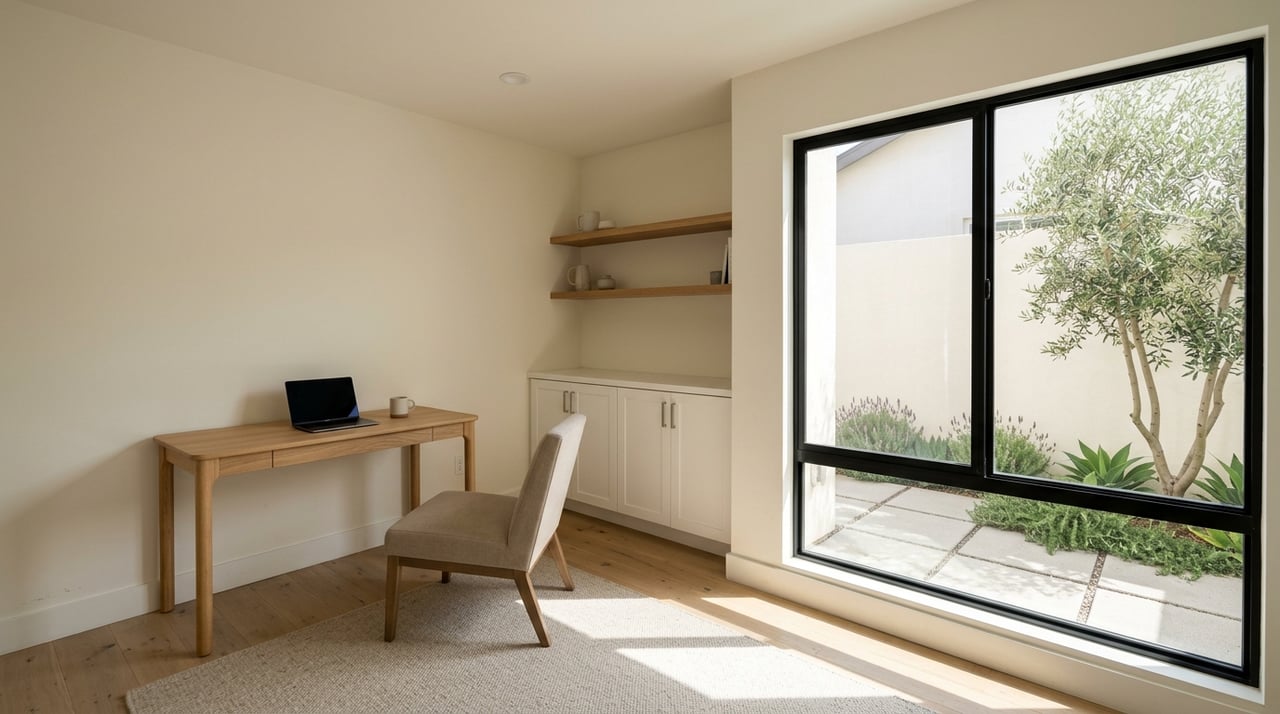
How To Align Your Downey Home Sale And Next Purchase
If you sell your Downey home and buy your next one at the same time, the goal is not perfection. The goal is control. In a market where homes are selling fast and often near or above asking, one small delay can throw off both sides of your move.
If you are trying to move up without creating extra stress, you need a plan that protects your equity, your timeline, and your peace of mind. The good news is that California gives you several tools to coordinate the sale and purchase more carefully. Let’s dive in.
Downey remains a competitive market by several public measures. Recent data shows median pricing in the high $800,000s to low $900,000s, with homes often going pending quickly and selling close to list price or above it.
That matters because selling your current home does not automatically make the next purchase easier. If you plan to stay in Downey or buy elsewhere in the Los Angeles area, you are likely still competing with well-prepared buyers. That is why the right timing and contract structure can make such a big difference.
Before you look at homes, get clear on what your sale needs to produce. Many move-up buyers are counting on proceeds from their current home for the down payment, closing costs, or both.
The California Department of Real Estate says buyers typically need a down payment of about 5 to 20 percent, plus roughly 3 to 7 percent of the purchase price for closing costs. That means your plan should account for more than just your expected sale price. You also need to estimate payoff amounts, selling costs, and how much cash will be available for the next purchase.
A net sheet can help you see the big picture before you commit to a timeline. This gives you a more realistic idea of what you can buy and how much flexibility you have.
Key items to review include:
There is no one-size-fits-all approach. The best option depends on your finances, your comfort level, and how much risk you want to carry during the transition.
This is often the safer financial route. You know how much your home sold for, you have clearer access to your proceeds, and you reduce the risk of carrying two homes at once.
The tradeoff is that you may need temporary housing or a short-term possession agreement if your replacement home is not ready in time. In a competitive market, this option can still be smart because it strengthens your position when you write offers.
California Association of REALTORS forms allow a purchase to be contingent on selling your current home. That contingency can be tied to getting your home into contract, closing escrow on it, or both.
This can protect you from overextending yourself. But in a fast-moving market like Downey, sellers often prefer buyers who do not need to sell a home first. If you use this strategy, the rest of your offer usually needs to look as strong and clean as possible.
A rent-back can give you breathing room after your sale closes. Under California Association of REALTORS forms, a Seller in Possession Addendum is used for short-term occupancy of less than 30 days after closing, while a Residential Lease After Sale form is used for 30 days or more.
This approach can work well if you want your sale to close on time but need a little extra room to move into your next home. The key is to document the arrangement clearly rather than rely on an informal agreement.
Contingencies are one of the biggest moving parts when you are lining up two escrows. In California Association of REALTORS guidance, contingencies must be removed in writing.
The default timing is commonly 17 days for the investigation contingency and 21 days for the loan contingency. After that, the seller may issue a Notice to Buyer to Perform and give the buyer two days to remove the contingency or face cancellation.
If your purchase depends on your sale, these dates need to be watched closely. A delay with inspections, loan approval, or your buyer’s own contingency removal can create a chain reaction.
This is why a coordinated calendar matters so much. You do not just need a close date. You need a plan for what happens if one step takes longer than expected.
If you want your sale to support your purchase, your current home needs to hit the market ready. The smoother your listing process is, the easier it is to attract strong offers and reduce delays once you are under contract.
California disclosure rules also make early preparation important. Sellers are required to provide a Transfer Disclosure Statement as soon as practicable before transfer of title, and before execution in a real property sales contract. If required disclosures arrive after acceptance, the buyer may have a short right to terminate.
Getting organized early can save valuable time later. It can also reduce surprises during escrow.
Try to gather:
California’s natural hazard disclosure rules may also apply depending on the property location. Recent state guidance notes that disclosures now identify certain fire hazard severity zones and responsibility areas when applicable.
If you are buying in Downey or nearby Los Angeles County, your offer still needs to stand out. Market data suggests buyers are often competing in an active environment, and sellers tend to favor offers with stronger financing and fewer complications.
That does not mean you should waive protections carelessly. It means you should be prepared, preapproved, and realistic about what terms matter most.
A stronger offer often includes:
If you need your sale to happen first, that should be planned around from the start. A rushed strategy usually creates more stress, not less.
One of the biggest mistakes move-up sellers make is trying to line everything up too tightly. It sounds ideal to close one home and buy the next on the same day, but that leaves very little room for lender timing, document review, inspections, or recording delays.
A better plan usually includes some legal and financial breathing room. That could mean a rent-back, extra reserves, or contract dates that allow a small slip without collapsing the whole transaction.
The closing process includes more than signing papers. The Consumer Financial Protection Bureau says buyers must receive the Closing Disclosure three business days before closing, and the process can also involve signed loan documents, proof of homeowners insurance, funding, and recording.
The California Department of Real Estate also advises staying in regular contact with your lender because closing documents are time sensitive. If you are coordinating two transactions, these dates need to be on your calendar early.
When you break the process into steps, it feels much more manageable. Most coordinated move-up plans follow the same general path.
A move-up sale is not just one transaction. It is two separate deals that need to work together without putting you in a financial corner.
That is why clear communication, strong preparation, and a realistic timeline matter so much. When you understand your options early, you can make decisions with more confidence and less pressure.
If you are planning a move in Downey and want a step-by-step strategy for selling your current home and buying the next one, connect with Karina Chavez for clear, bilingual guidance tailored to your timeline.
Whether you’re buying your first home, selling a trust property, or navigating a probate sale, my goal is always the same: to provide honest guidance, strong advocacy, and a smooth experience from beginning to end. Real estate is about people, not just properties and I would be honored to help you take your next step.
KARINA CHAVEZ | CA DRE# 01360910
9155 TELEGRAPH RD PICO RIVERA, CA 90660