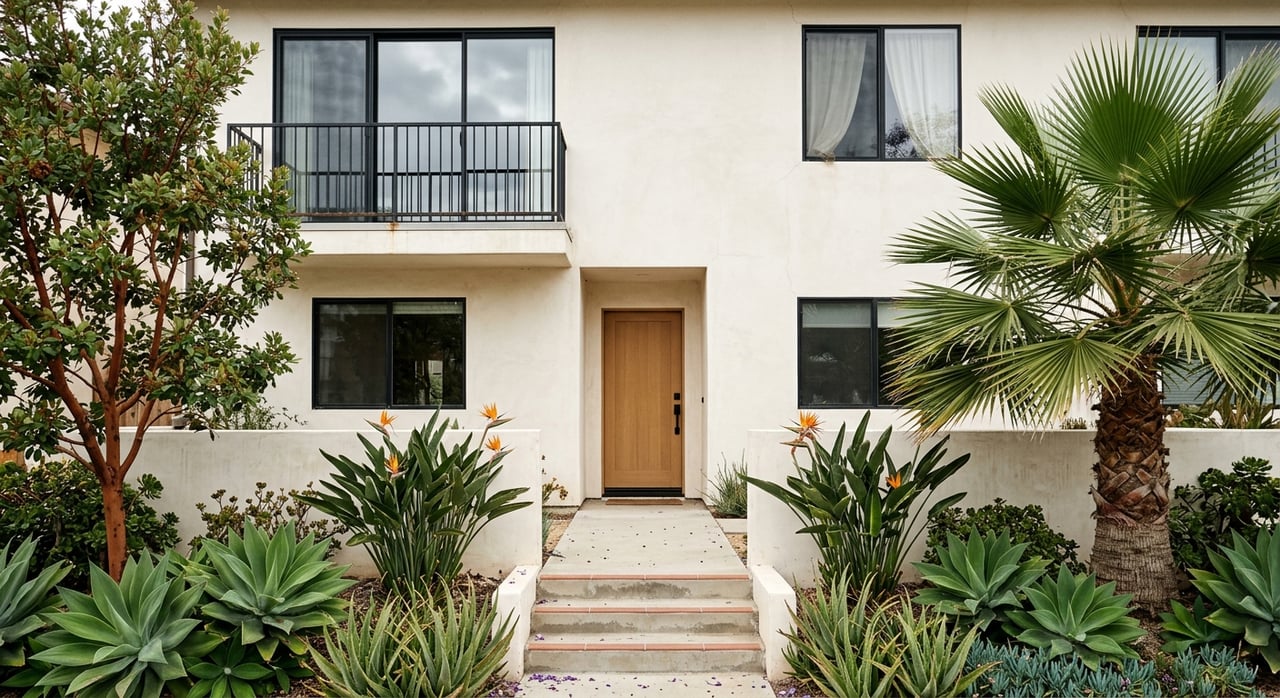
What Living in Long Beach Is Like Year-Round
Wondering if Long Beach is just a fun weekend destination or a place you can truly enjoy every day? If you are thinking about moving here, it helps to look past the postcard version and understand what daily life actually feels like. From the weather and neighborhood variety to getting around and finding your routine, Long Beach offers a lifestyle that can feel both relaxed and connected. Let’s dive in.
Living in Long Beach year-round is less about one single beach-town experience and more about choosing the version of the city that fits your lifestyle. City and tourism resources describe Long Beach as a city of neighborhoods, and that is one of the biggest reasons people connect with it.
You are not getting one uniform setting here. Instead, you get a mix of coastal areas, urban pockets, and more residential sections, all tied together by the waterfront, downtown core, and a broad bike and transit network.
One of the biggest perks of living in Long Beach full-time is the mild climate. According to NOAA climate normals for Long Beach Daugherty Field, the annual mean temperature is 64.9°F, with average monthly highs ranging from 66.7°F in December to 83.2°F in August.
That means daily life is usually shaped more by comfort than by extreme weather. Long Beach gets about 12.02 inches of rain per year, with most of it falling in winter, while June through September are much drier.
Visit Long Beach also notes about 345 days of sunshine. In practical terms, that often supports a routine built around walks, bike rides, outdoor dining, and time near the water through much of the year.
If you are asking what it is like to live in Long Beach, the most honest answer is that it depends on where in the city you land. Long Beach includes areas such as Downtown Long Beach, Uptown, Belmont Shore & Naples, Retro Row, Bixby Knolls, East Village Arts District, Broadway Corridor, Westside, and East Long Beach.
Each area has a different rhythm. Some feel more coastal and active, some feel more urban and walkable, and others feel more centered on day-to-day residential living.
If you want the beach to be part of your regular routine, Belmont Shore and Naples are two of the clearest examples. These areas sit just east of downtown and are known for beachfront shopping and dining, along with easy access to the 5.5-mile beach corridor.
The paved shoreline path adds to that everyday convenience. In this part of Long Beach, the coast feels like part of normal life, not just something you visit once in a while.
If you prefer a more urban setting, downtown offers a denser and more pedestrian-oriented feel. The Promenade is a pedestrian-only stretch, and nearby East Village Arts District is known for independent boutiques, restaurants, art museums, and Art Deco architecture.
Downtown also has a strong dining presence. Visit Long Beach highlights more than 100 restaurants within an eight-block radius in the downtown core, which gives this area a very different energy from a quieter residential pocket.
If you want a neighborhood that feels more community-centered, Bixby Knolls and Uptown offer a useful contrast. Bixby Knolls is described as a residential neighborhood with events like First Fridays and a notable brewpub cluster, while Uptown includes parks, gardens, a food hall, and a business district.
These parts of Long Beach help show that the city is not only about the shoreline. For many residents, everyday life may revolve more around neighborhood events, local dining, and nearby errands than around the beach itself.
Broadway Corridor sits in a middle space between downtown and Belmont Shore. It mixes renovated storefronts, restaurants, coffee shops, specialty retail, and homes.
That blend captures a lot of what makes Long Beach unique. You can find places that feel coastal, urban, and neighborhood-scaled at the same time.
Long Beach has a strong everyday culture built around food, arts, and events. This is not the kind of place where you need to save local outings for special occasions.
The city’s food scene includes seafood, Vietnamese, Cambodian, Thai, Latin American, vegan options, brunch spots, breweries, and neighborhood favorites. That variety gives you a lot of ways to settle into a routine without feeling like you are repeating the same weekend over and over.
Food halls also play a role in the city’s social rhythm. Visit Long Beach specifically highlights Steelcraft, The Hangar, and Uptown Commons, which makes it easier to picture casual meetups and low-key nights out as part of normal life.
The arts scene is also woven into the city’s identity. Long Beach includes the Long Beach Performing Arts Center, the Long Beach Museum of Art, the Museum of Latin American Art, the East Village Arts District, and five art museums citywide.
Local events add another layer to year-round living. City and tourism materials point to events such as Long Beach Pride, the Cambodia Town Parade and Culture Festival, the Long Beach Marathon, and a major Juneteenth festival, giving residents recurring ways to engage with the city throughout the year.
A lot of people assume coastal Southern California living always means being completely car-dependent. In Long Beach, that picture is more flexible, especially in certain neighborhoods.
Visit Long Beach notes that Long Beach Transit runs buses along major streets and to attractions, with a fare of $1.25. The free Passport bus serves downtown on Fridays, Saturdays, and Sundays, and the city’s Circuit micro-shuttle provides free on-demand service in Belmont Shore, Downtown Long Beach, and Alamitos Beach.
That does not mean every part of Long Beach feels the same without a car. But if you are near downtown, Belmont Shore, or the A Line corridor, a car-light routine can be more realistic than many buyers expect.
For regional access, the Metro A Line is an important part of the picture. Visit Long Beach says riders can connect from the First Street Transit Gallery to the A Line for Downtown Los Angeles, and Metro describes the A Line as a core light-rail corridor in the regional network.
If you commute beyond Long Beach, that connection matters. It helps explain why the city can feel more connected to the larger metro area than some other coastal communities.
Long Beach also stands out for bike access. The city cites more than 150 miles of bike infrastructure, along with a 3.1-mile shoreline path from Alamitos Avenue to 54th Place.
That supports more than recreation. For some residents, biking is part of how they move between neighborhoods, enjoy the coast, and build a more active day-to-day routine.
Long Beach Airport is another practical advantage for year-round living. The city lists Long Beach Transit routes 102, 104, 111, and 405 Commuter Express for airport access, and notes that the closest Metro Rail station is Wardlow on the A Line.
Visit Long Beach also says downtown Long Beach is about seven minutes from the airport. If you travel for work, visit family often, or simply want easier regional access, that convenience can make a real difference.
The short answer is both. Official city and tourism resources consistently describe Long Beach as a blend of waterfront living, urban density, and neighborhood identity.
That combination is part of what makes the city appealing to so many different buyers and movers. You can find areas where the beach shapes your week, areas where restaurants and walkability lead the lifestyle, and areas where a more residential routine takes center stage.
At its core, living in Long Beach year-round means having options. You can build your routine around the shoreline, local coffee shops, bike routes, food halls, arts venues, neighborhood events, or transit access to the broader region.
It is a city where your day-to-day experience depends a lot on your neighborhood and priorities. That is why it helps to look beyond the general name “Long Beach” and focus on which part of the city matches how you want to live.
If you are thinking about making a move and want help comparing Long Beach neighborhoods in a clear, practical way, Karina Chavez can guide you step by step.
Whether you’re buying your first home, selling a trust property, or navigating a probate sale, my goal is always the same: to provide honest guidance, strong advocacy, and a smooth experience from beginning to end. Real estate is about people, not just properties and I would be honored to help you take your next step.
KARINA CHAVEZ | CA DRE# 01360910
9155 TELEGRAPH RD PICO RIVERA, CA 90660