Long Beach Neighborhood Comparison: Months of Inventory Explained
In mid-August, a three-bedroom on a big lot in South Wrigley came on the market at $936,000, priced below what move-in-ready homes were fetching elsewhere in the 90806 zip code. It sat for a bit while buyers weighed the lot size against the location. Around the same time, a modest townhouse near Bixby Knolls' Country Club Drive corridor listed at $679,000 and was gone within days, multiple offers and all.
Same city. Same summer. Completely different pace.
If you've been comparing Long Beach neighborhoods by median price alone, that contrast probably doesn't make sense. The cheaper home should have moved faster. It didn't. And once you understand why, you'll look at every Long Beach listing differently.
Ask five sources what the median home price in Long Beach is this year and you'll get five different answers. One report puts it near $835,000 for the year, up more than 8% from the prior year. Another, tracking a three-month window ending in May, lands closer to $879,000. A third, measuring listing prices rather than closed sales, shows a median of $699,000 as of this month. None of these numbers are wrong. They're measuring different things: list price versus sale price, single-family versus all property types, a snapshot versus a rolling average.
That inconsistency is actually the first clue. If the citywide median can't even agree with itself, it was never going to tell you what you actually need to know, which is what happens when you go looking for a house in a specific pocket of this city.
The number that predicts your experience as a buyer isn't the median. It's the months of supply sitting in your target zip code, because that figure tells you how many homes like the one you want are on the market relative to how fast they're being absorbed. And when you break Long Beach down that way, the picture gets a lot more interesting.
| Area | Approximate Zip | Months of Supply (mid-2026) | What It Signals |
|---|---|---|---|
| Naples Island | 90803 | About 6.9 months | Buyers have room to negotiate |
| Belmont Shore | 90803 | About 3.0 months | Balanced, some leverage either way |
| Los Altos / El Dorado Park | 90808 / 90815 | About 2.0 months | Fierce competition, multiple offers common |
Naples Island, the most expensive residential pocket in the city by a wide margin, has nearly seven months of inventory sitting on the market. Los Altos and the El Dorado Park pockets, priced well below Naples and Belmont Shore, are moving through their inventory in about two months. The most expensive water in Long Beach is the calmest water to shop in. The mid-range family neighborhoods are where the real fight is happening.
Part of the explanation is structural. At Naples Island price points, which regularly clear $2 million, the pool of buyers who can transact in any given month is small no matter how much demand exists on paper. A home can generate real interest and still take longer to sell simply because fewer households can write that check.
But there's a second force at work, and it's one that shapes almost every coastal-adjacent Long Beach neighborhood right now: buyers priced out of Orange County. Long Beach's premium spots, Naples, Belmont Shore, and the Los Altos pockets with a coastal feel, sit within reach of Orange County households who've been quoted $200,000 to $400,000 more for a comparable home just a few miles south. When that overflow hits Long Beach, those buyers often skip the contingencies a local buyer might insist on, because they're comparing the deal to a worse one back home.
That inflow pushes prices up. It doesn't necessarily speed up absorption, especially at the top of the market where the total buyer pool stays thin regardless of how motivated any individual buyer is. The result is a neighborhood that reads as hot in price appreciation and cool in how fast homes actually clear escrow.
Now look at the other end of the table. Los Altos and the pockets around El Dorado Park sit at price points that are within reach of a much wider buyer pool: local families upgrading from a starter home, Long Beach natives who grew up nearby, and the same Orange County overflow buyers who'd rather have a yard and a park nearby than an ocean view.
This summer, a four-bedroom in El Dorado Park South listed at $1,075,000, a strong price-per-square-foot figure for a family-sized lot in the 90808. A five-bedroom in the same zip listed at the lowest price per square foot on the entire week's roster, the kind of number that signals either a genuine value play or a home that needs real work before move-in. Both listings drew attention fast, because at this price range, nearly every kind of buyer in the market can compete for the same house.
That's the mechanism. Naples has money but a shallow buyer pool. Los Altos and El Dorado Park have a shallower price tag but a deep one. Two months of supply in a family-budget zip code means you're not just competing against other Long Beach buyers, you're competing against everyone who got priced out of somewhere else and landed here instead.
Long Beach doesn't have one housing market. It has several, layered by what a given price range can reach:
Notice that the jump from Bixby Knolls to Belmont Heights isn't gradual. It's a series of distinct tiers, and each one pulls from a different slice of the buyer pool. Knowing which tier you're shopping in tells you more about what to expect at the negotiating table than the citywide median ever will.
Here's the friction that catches local buyers off guard in the coastal-adjacent tiers. When Orange County buyers move into Naples, Belmont Shore, or the coastal end of Los Altos, they're often comparing the purchase to a home that cost far more just over the county line. That math makes them willing to waive inspection contingencies or appraisal gaps that a Long Beach-based buyer, budgeting more conservatively, might not be able to match.
If you're a first-time or move-up buyer competing at those price points, you're not just competing on offer price. You're competing against a different risk tolerance. It changes how you should structure an offer, and it's exactly the kind of local dynamic that doesn't show up in a portal listing.
If you're deciding between Long Beach neighborhoods right now, the question worth asking isn't "what's the median price here?" It's "how many months of inventory are sitting in this specific pocket, and who else is shopping in my price range?" A $900,000 budget in Los Altos or the El Dorado Park pockets puts you in the most competitive tier in the entire city. The same budget in a slower-moving coastal zip might buy you room to actually negotiate.
That's the piece the citywide averages can't tell you, and it's the piece worth understanding before you write an offer.
Does more inventory always mean a better deal for buyers? It means more room to negotiate on price, timeline, or contingencies. It doesn't mean prices are falling. Naples Island's nearly seven months of supply reflects a thin buyer pool at a very high price point, not softening demand.
Why would a luxury listing sit longer if the neighborhood is considered desirable? Desirability and absorption speed aren't the same thing. Fewer households can afford a $2 million-plus home in any given month, so even strong interest translates into a slower sales pace than you'd see at a price point that draws a wider pool of qualified buyers.
Is a neighborhood like Bixby Knolls worth considering against Belmont Shore? It depends on what you're solving for. Bixby Knolls sits well below Belmont Shore's price point and offers its own business corridor along Atlantic Avenue, but it will draw a broader competitive field of buyers precisely because it's more attainable.
If you're weighing these tradeoffs against your own budget and timeline, I'd rather walk through the specific pockets with you than have you guess from a portal average. Reach out to Karina Chavez and let's connect.
This article is general information, not legal, tax or financial advice. Consult a qualified professional about your situation.
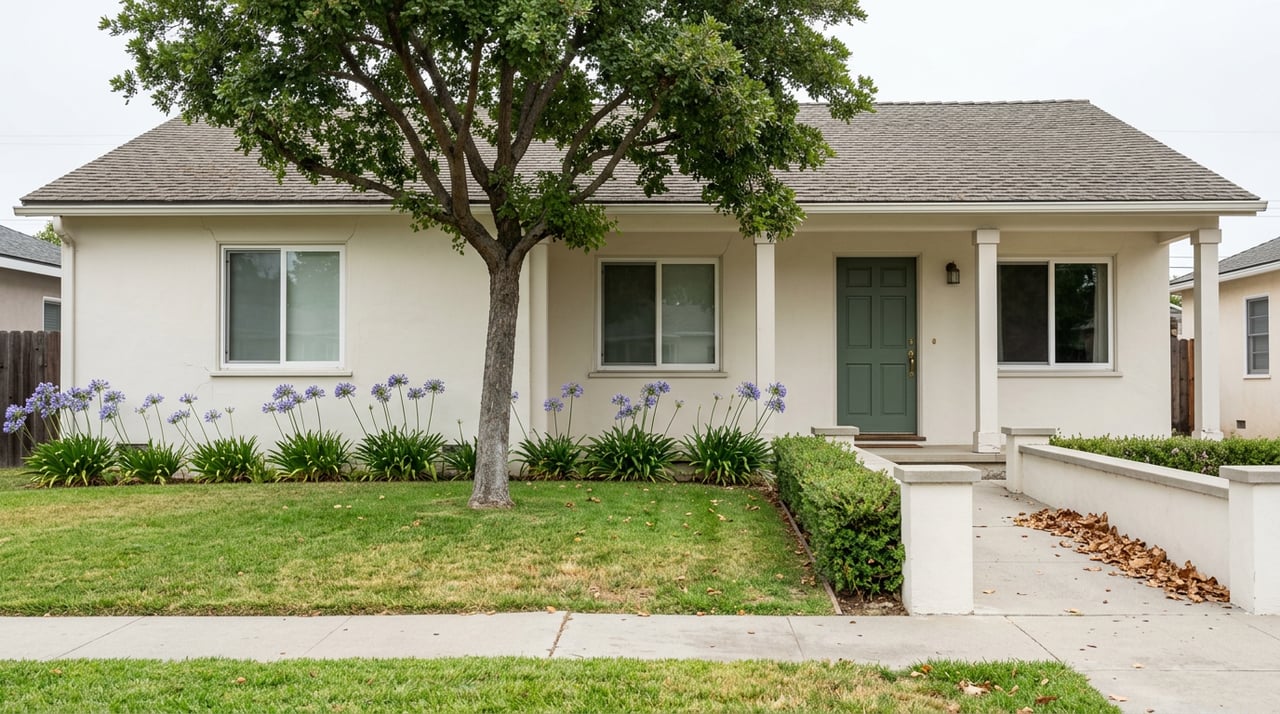
Whether you’re buying your first home, selling a trust property, or navigating a probate sale, my goal is always the same: to provide honest guidance, strong advocacy, and a smooth experience from beginning to end. Real estate is about people, not just properties and I would be honored to help you take your next step.
KARINA CHAVEZ | CA DRE# 01360910
9155 TELEGRAPH RD PICO RIVERA, CA 90660