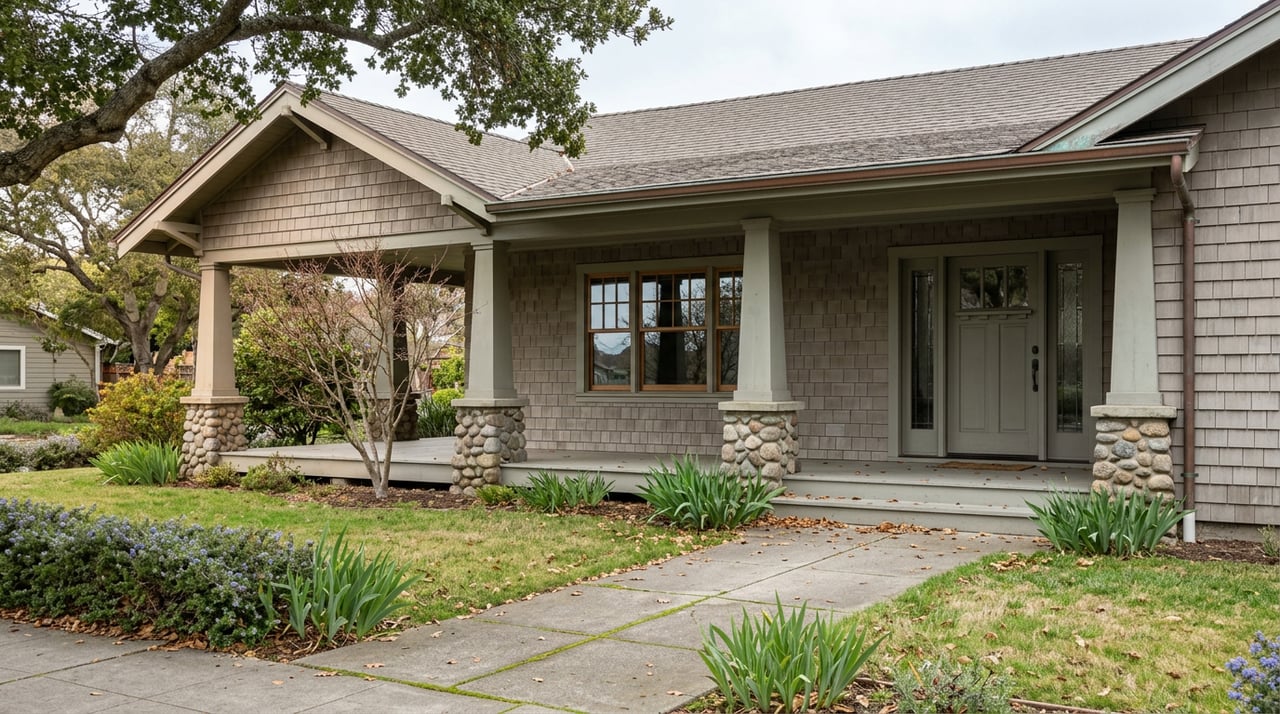
A Mills Act Contract Follows the Whittier House You're Buying. The Savings Don't Always Come With It.
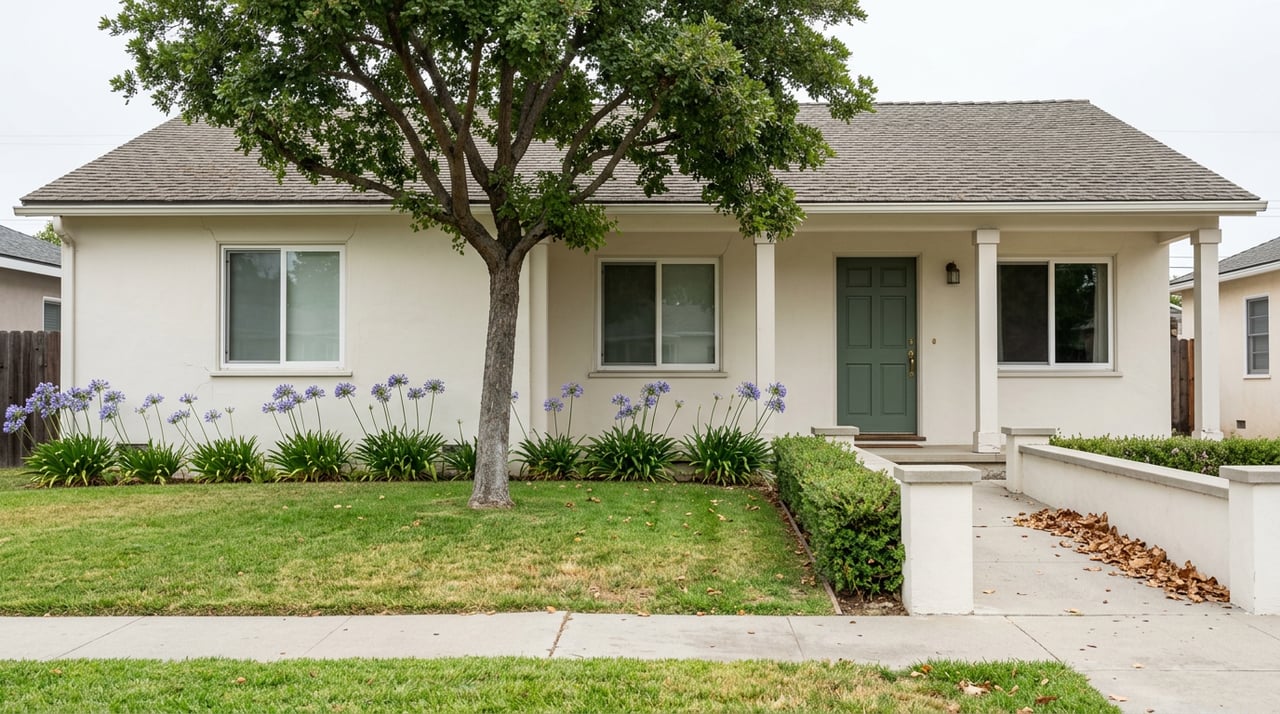
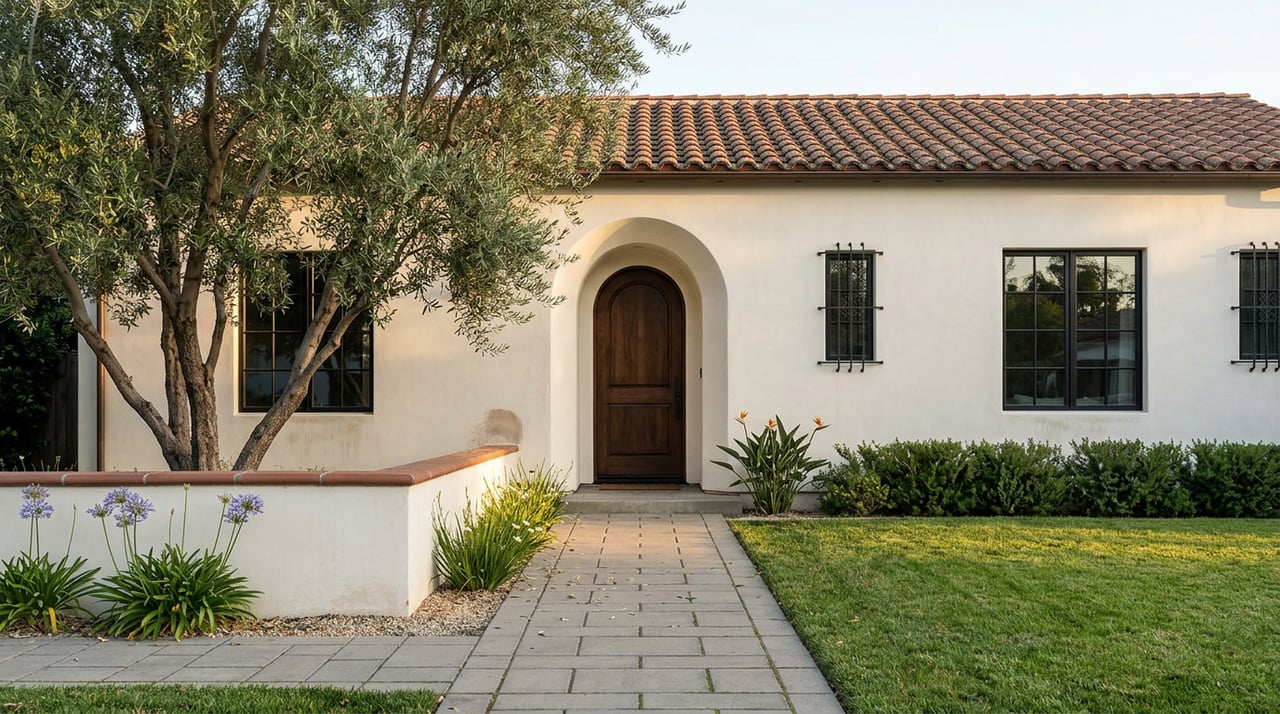
You're reading listing remarks on a 1920s bungalow near Central Park, the kind with a built-in hutch and a porch deep enough for two rocking chairs, and one line stops you: "Mills Act Contract in place." No price adjustment mentioned. No explanation. Your agent might gloss over it. Your lender's underwriter will eventually ask about it. And if you don't understand what it means before you write the offer, you'll be negotiating blind on a detail that can change your annual tax bill by thousands of dollars, in either direction, depending on who you are.
Here's the part that surprises most buyers: the City of Whittier says a Mills Act contract transfers to you when you buy a qualified historic home in Whittier. The tax savings that come with it do not transfer the same way for everyone. The program rewards a very specific kind of buyer, and if you're not that buyer, the same contract that saved the seller thousands might barely move your number at all.
The California Office of Historic Preservation says the Mills Act is a California program, enacted in 1972, that lets cities enter into contracts with owners of qualified historic properties. In exchange for committing to maintain and restore the home according to preservation standards, the county assessor values the property under the program. Whittier has offered these contracts to residents since 2001, and its own program page states the savings can run 40 to 60 percent off the pre-contract tax bill. Roughly 86 cities and counties across California participate, and Whittier is consistently named among the more active Los Angeles County jurisdictions for it, alongside Pasadena, Glendale, and Long Beach.
That income-based math is where the surprise lives. The city's own program page spells out the catch directly: a Mills Act contract works best for an owner who bought recently at a premium price or is carrying a high mortgage rate, because that owner's market-based assessment would otherwise be high. An owner who has held the property for decades, paid it off, or already has a low assessed value under Proposition 13 gets far less benefit, sometimes none at all, because their existing tax bill is already close to what the income approach would produce anyway.
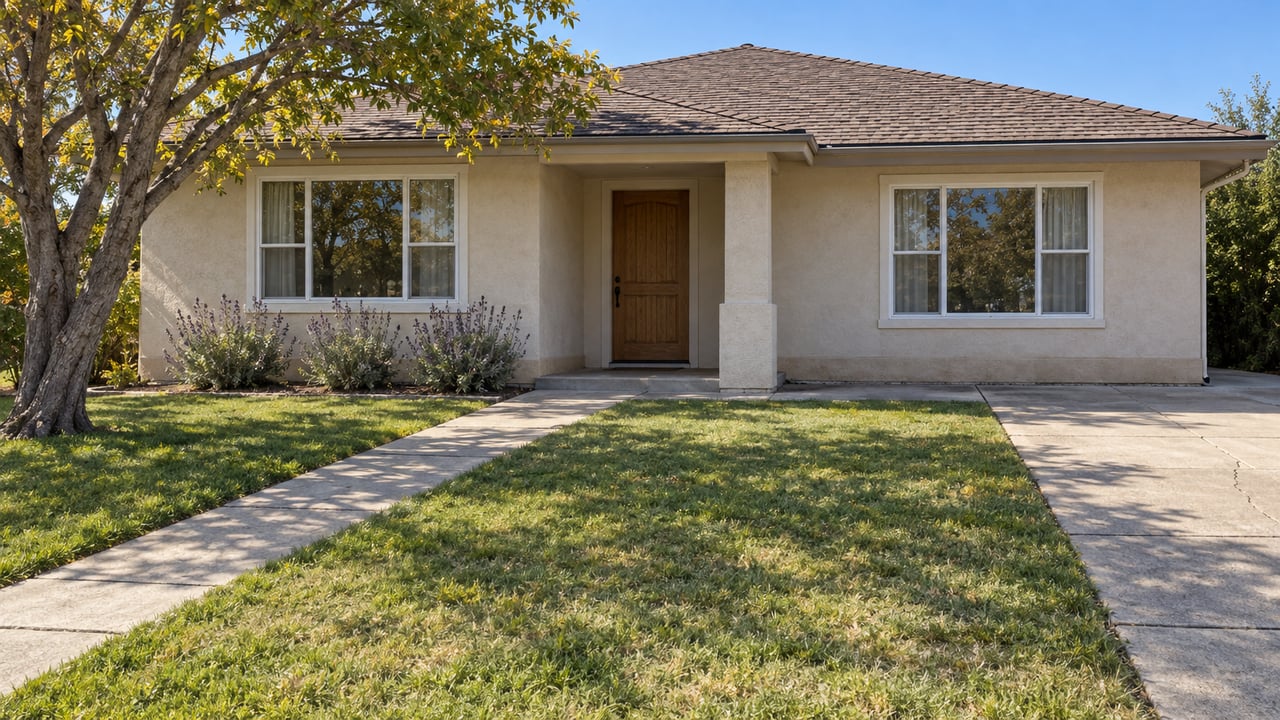
Picture two owners of an identical Craftsman on the same College Hills block. One bought it last year for a price that reset their assessed value near current market rates. The other has owned it since the 1990s and carries a Prop 13 basis a fraction of today's value. Both can sign the same Mills Act contract. Only one of them will see their tax bill move in any meaningful way.
Four areas carry formal historic district designation in Whittier: Central Park, College Hills, Earlham, and Hadley/Greenleaf. The City of Whittier's own historic districts page confirms College Hills was designated in 2002 and includes 97 contributing properties, the first planned hillside development in the city, built out mostly in Spanish Revival, Colonial Revival, Mission Revival, Tudor, and California Ranch styles. Earlham is smaller, just seven properties, representing an early Whittier College faculty neighborhood built between 1903 and 1940. The Uptown Whittier Specific Plan separately calls out fifteen buildings with distinct historic architecture, some of which overlap with the district boundaries and some of which stand on their own.
But a property outside those district lines may still be eligible under Whittier's historic-preservation rules. Whittier residents can also pursue individual landmark designation for any property at least 50 years old, through the Landmark Designation process reviewed by the Historic Resources Commission. A citywide architectural survey conducted in 2013 identified more than 1,500 Whittier properties built before 1941 as potentially significant, and confirmed over 1,000 of them as clear examples of period styles, Craftsman bungalows making up the largest share by far, followed by Spanish Colonial Revival and American Colonial Revival homes. Most of those homes sit outside the four named districts entirely. If you're touring a pre-1941 home anywhere in Whittier, not just Uptown or College Hills, it's worth asking whether it's ever been surveyed.
An active Mills Act contract can affect a new buyer's obligations and tax bill differently from the seller's. Those commitments are worth understanding before you buy. Mills Act contracts run for a minimum ten-year term that renews automatically each year unless either party files a non-renewal notice, which functionally makes it a rolling ten-year obligation for as long as you own the home. You're also signing on for the preservation commitments attached to the contract. If a seller applied for the contract, banked the savings, and never finished the promised restoration work, that history is worth understanding before you buy.
This cuts both ways for negotiation. A home with an active Mills Act contract and a documented history of completed preservation work is a genuine asset, not just a lower tax bill but proof the home has been maintained to a standard. A home with a contract on paper and no visible work behind it is a conversation to have with your agent and, depending on the scope, worth a call to the city's Historic Preservation office before you remove contingencies.
If you buy a qualifying historic home in Whittier and it isn't already under contract, you can apply yourself. The process starts with a Mills Act Contract Application and a fee, along with photographs and a cost estimate for the preservation work you're committing to over the contract term. City staff visits the property, the Historic Resources Commission reviews the application at its monthly meeting, held the second Wednesday of each month at 6 p.m. at City Hall on Penn Street, and makes a recommendation before the City Council gives final approval.
What's notable is what Whittier's program page doesn't say: there's no fixed annual submission window listed. That's a real contrast to neighboring cities running the same program. Long Beach's 2026 Mills Act application period already closed in March, and the next one won't open until early January 2027, with two mandatory workshops required before a submission is even considered. Pasadena's 2026 cycle closed at the end of May with its own hard cutoff. Whittier's structure, reviewed monthly rather than gated by a once-a-year deadline, means a buyer who closes escrow this fall isn't stuck waiting until next spring to start the clock on an application.
Before you assume a Mills Act line in the listing remarks is free money, ask three things: is the contract already active, what work has actually been completed against it, and what would your assessed value look like under the income approach given the price you're about to pay. That last question is the one that determines whether this benefits you specifically. A buyer picking up a home with a market-rate assessment may see substantial savings. An owner who has held a home for decades and carries a low Prop 13 basis may find the contract barely nudges the bill.
None of this should scare you off a historic Whittier home. It should just change what you ask before you write the offer.
Does every pre-1941 home in Whittier automatically qualify? No. Eligibility depends on Whittier's historic-preservation rules, and individual landmark designation may be an option.
What happens if I want to sell before the ten years are up? The contract remains relevant if you sell before its term ends; check its renewal terms before proceeding.
Does a condo or multi-unit property qualify? The city's program applies to qualified historic property; check with the city's planning staff about a specific parcel before assuming either way. That's a detail worth confirming with the city's planning staff before you assume either way.
If you're weighing a historic home anywhere from Uptown Whittier to College Hills, or you're trying to figure out what a contract already in place actually means for your monthly payment, I'd rather walk you through the real numbers before you fall in love with the porch. Let's Connect and figure out what the house is actually going to cost you to own.
This article is general information, not legal, tax or financial advice. Consult a qualified professional about your situation.
Whether you’re buying your first home, selling a trust property, or navigating a probate sale, my goal is always the same: to provide honest guidance, strong advocacy, and a smooth experience from beginning to end. Real estate is about people, not just properties and I would be honored to help you take your next step.
KARINA CHAVEZ | CA DRE# 01360910
9155 TELEGRAPH RD PICO RIVERA, CA 90660