Whittier Home Styles: From Condos to Houses
Shopping for a home in Whittier can feel a little different than in newer communities. Instead of choosing between brand-new subdivisions, you are often comparing condos and townhomes, detached houses, and older character homes with very different upkeep, style, and long-term planning needs. If you want to understand what those choices really mean before you start touring, this guide will help you sort through the options with more confidence. Let’s dive in.
Whittier has a mature housing market with a strong owner-occupied base. According to the U.S. Census QuickFacts for Whittier, the owner-occupied housing rate is 57.9%, the median owner-occupied home value is $822,600, and median gross rent is $1,906.
The city’s housing mix also helps explain why buyers see such a wide range of home styles. SCAG’s Whittier local profile shows that 65.2% of the housing stock is detached single-family, 29.9% is multifamily, and 4.2% is attached single-family. It also notes that 82.4% of the housing stock was built before 1970.
That means your decision in Whittier is often less about new versus old and more about lifestyle, maintenance, and architectural character. A condo can offer a simpler routine, a detached home can offer more control, and a character home can offer a style story you may not find in newer areas.
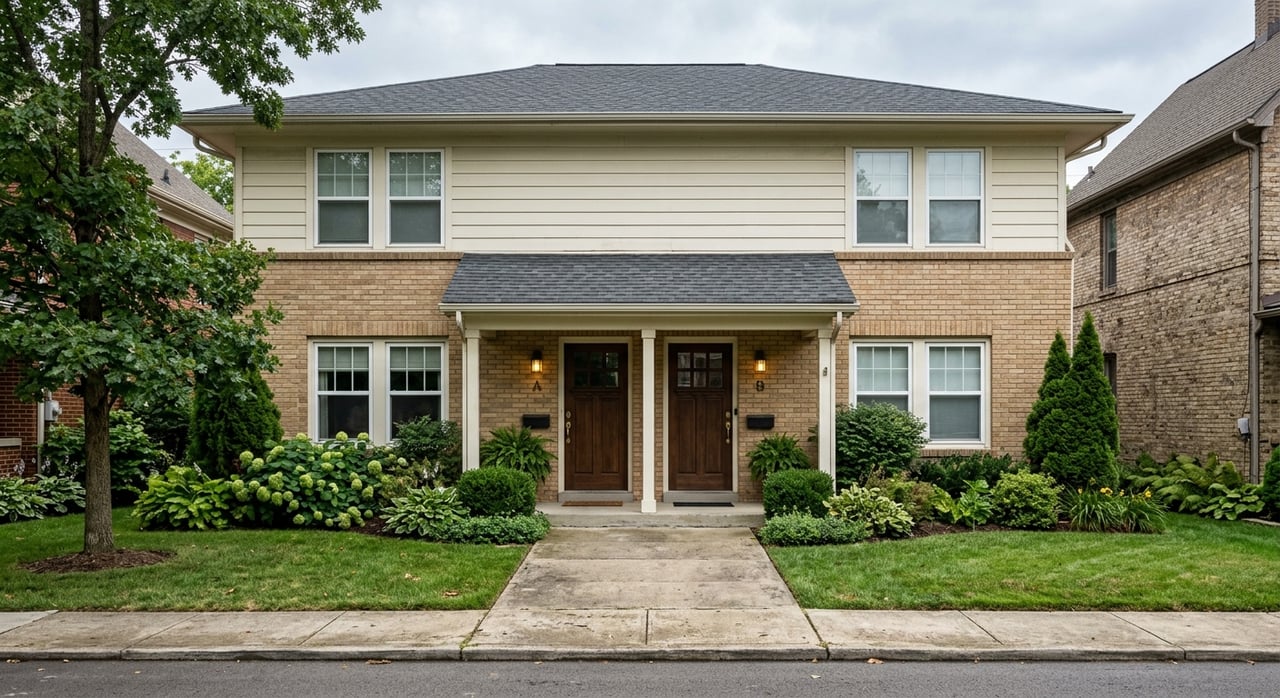
For many buyers, condos and townhomes are worth a close look because they can offer a lower-exterior-upkeep lifestyle. In California, homeowners associations commonly govern condominiums, planned communities, and many subdivision developments, which means owners usually join the HOA, pay dues, and follow the community’s governing rules.
That structure can be helpful if you want less day-to-day yard work or exterior maintenance to manage on your own. It can also create a more predictable routine, especially if you are a first-time buyer trying to balance work, commuting, and homeownership responsibilities.
Not every condo or townhome works the same way. The California Department of Real Estate guide explains that maintenance responsibilities can be split between the owner and the HOA, and that shared components like roofs or exterior siding may be handled differently depending on the project.
Before you move forward, review the disclosure package carefully. Pay close attention to:
The same DRE guide warns that underfunded HOAs can lead to deferred maintenance and special assessments. That is why a condo or townhome purchase is not just about the unit itself. You are also evaluating how the community is managed.
A condo or townhome may be a practical fit if you want:
If you are buying your first home, this type of property can feel more manageable than a detached house. You still want to confirm exactly what you are responsible for, but the format can be appealing if simplicity matters to you.
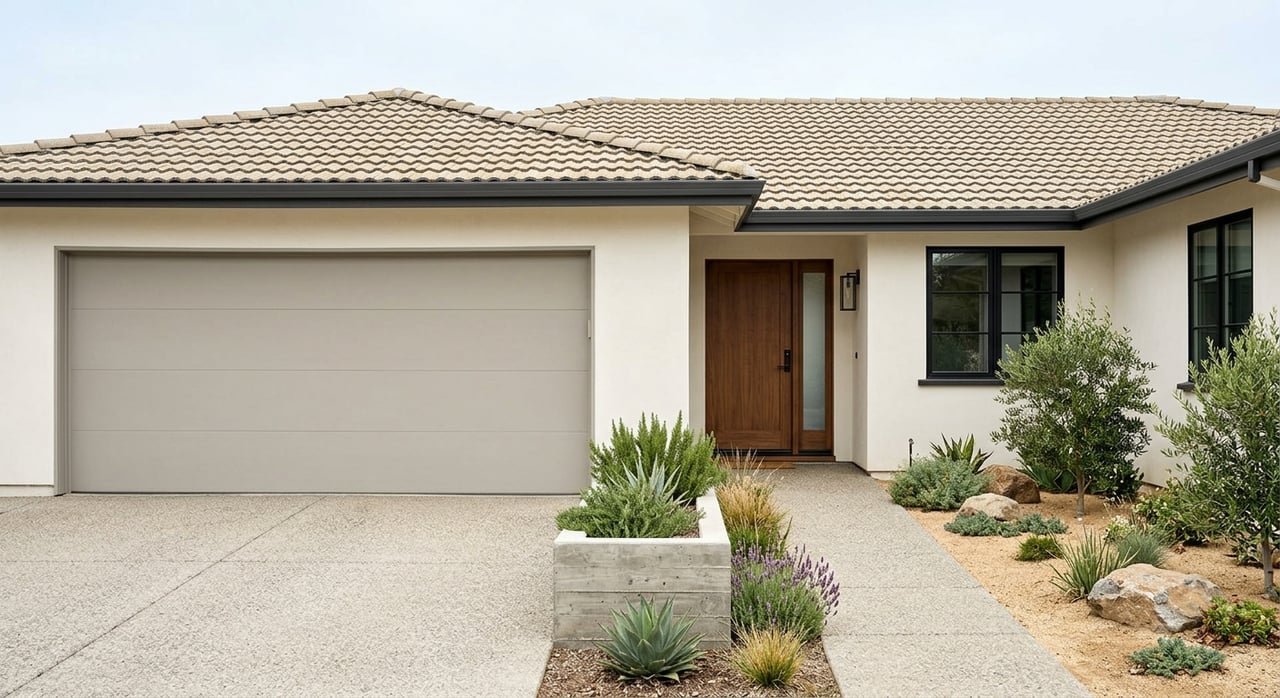
Detached single-family homes are still the most common housing type in Whittier. Because they make up the largest share of the housing stock, they are often the broadest category for buyers to compare when looking at size, layout, lot use, parking, and future flexibility.
Many buyers are drawn to detached homes because they usually offer more autonomy. You may have more freedom with outdoor space, storage, parking, and updates, depending on the property and local rules.
One reason detached homes stand out in Whittier is the potential utility of the lot. The City of Whittier offers preapproved ADU plans for single-family residential properties, including one-story detached structures in Craftsman, Spanish, and Traditional styles from 311 to 800 square feet.
That does not mean every property will support the same use, but it does show why lot flexibility can be an important part of your search. If you are thinking about future guest space, a work-from-home setup, or other long-term use options, a detached home may give you more room to plan.
Detached homes can be a strong fit if you want:
The tradeoff is usually more responsibility. You may be handling more maintenance directly, especially in a city where much of the housing stock was built decades ago.
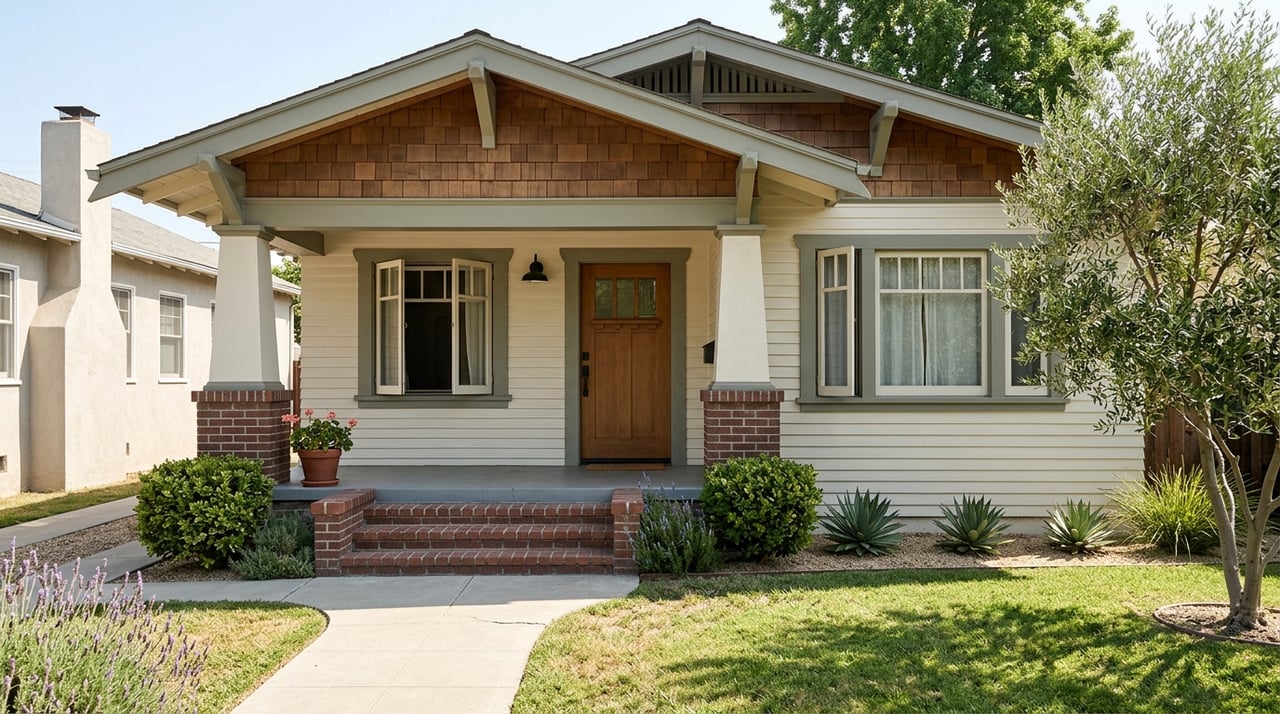
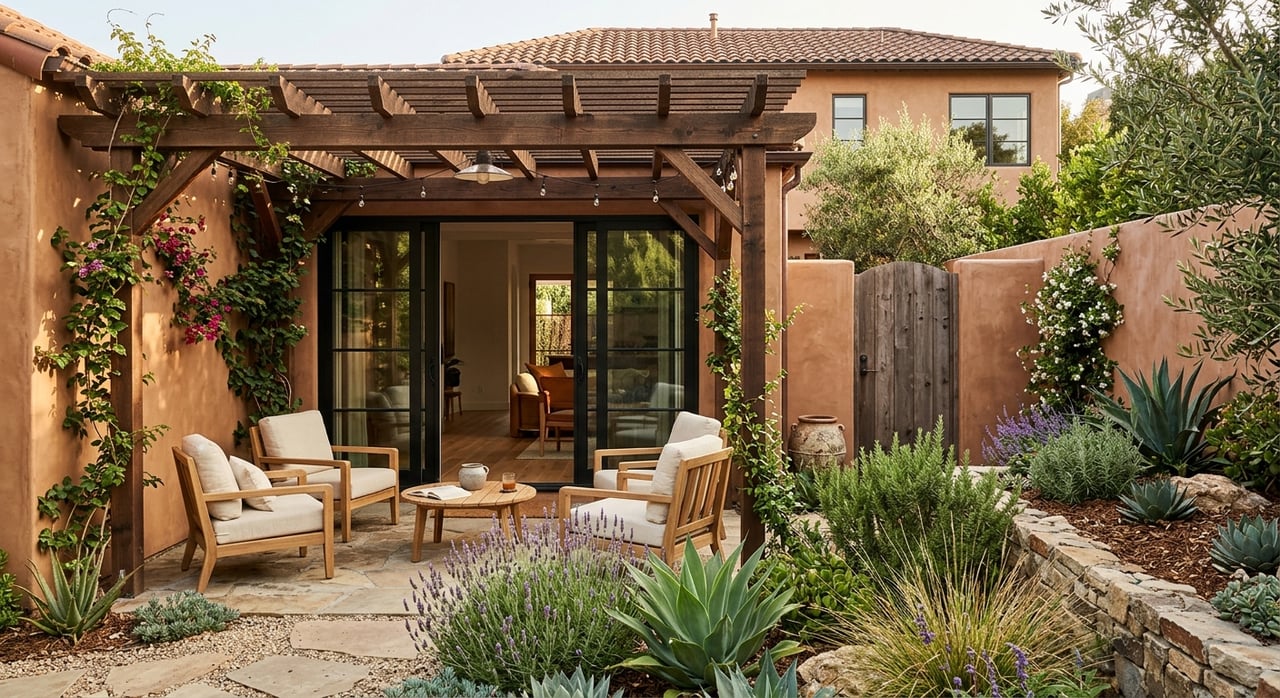
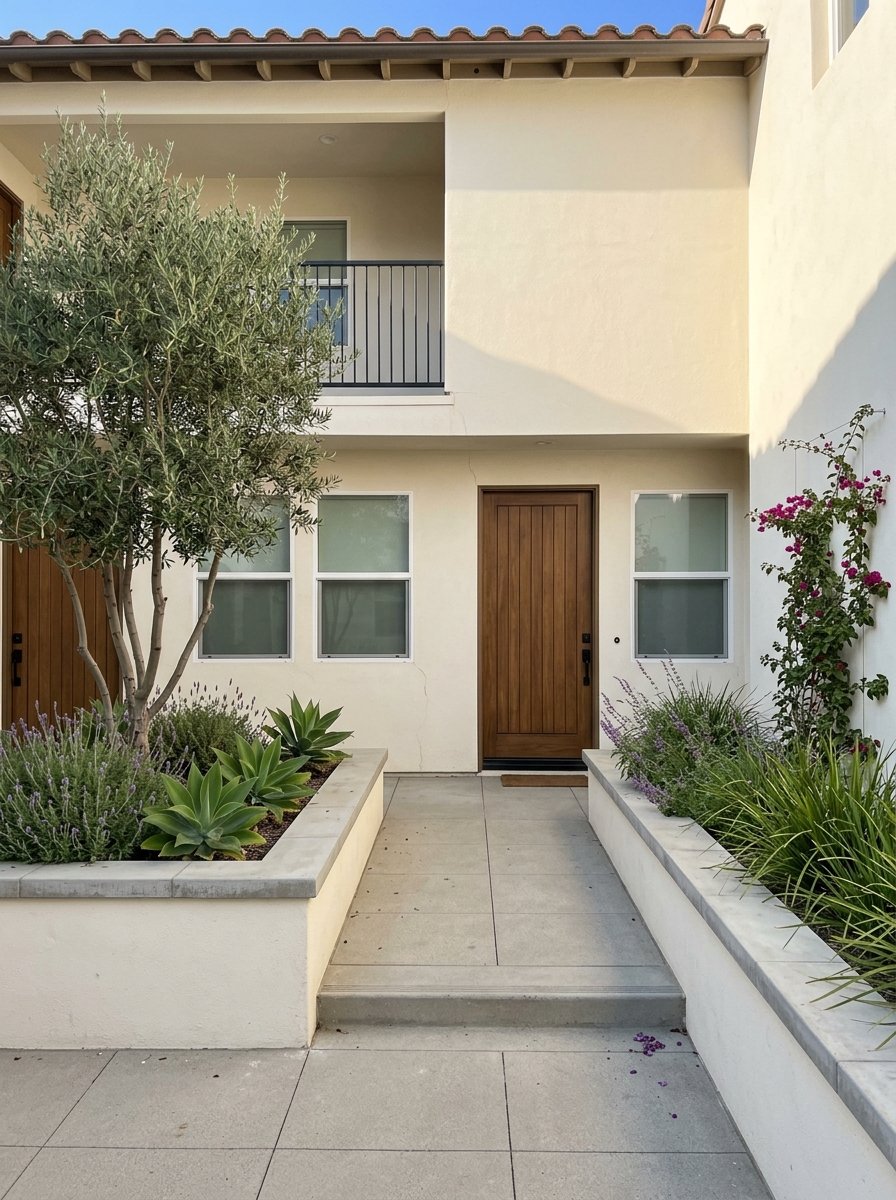
If you love homes with architectural detail, Whittier has a strong style identity. The city’s historic preservation materials identify several common pre-1950 residential styles, including Victorian, Craftsman, Mission Revival, Spanish Colonial Revival, Tudor Revival, Colonial Revival, and Minimal Traditional.
For many buyers, these homes are a big reason Whittier stands out. Instead of a more uniform streetscape, you may find porches, arches, brick details, woodwork, or rooflines that give one home a very different feel from the next.
A few quick style cues can help you understand what you are seeing when you tour homes.
Whittier’s local districts highlight that architectural variety. The city describes Hadley-Greenleaf as an area with Victorian cottages, Spanish and Mediterranean Revival, modern structures, and a strong Craftsman bungalow presence. Earlham includes Dutch Colonial Revival, Craftsman, and transitional Victorian-to-Craftsman homes, while College Hills is noted as the city’s first planned hillside development in 1923 and an early large-scale example of hillside residential development, according to the city’s preservation materials.
For buyers, that can add a lot of visual appeal and a strong sense of place. It can also mean more planning if you want to make exterior changes.
If a property is a historic resource or located in a historic district, the city requires a Certificate of Appropriateness before a permit can be issued for work on the resource. That is important if you are considering additions, exterior changes, or certain remodels.
This does not mean a character home is harder to enjoy. It means you should go in with clear expectations. If you love older homes, it is smart to balance style and charm with the reality of upkeep, planning review, and age-related maintenance.
A simple way to think about Whittier home styles is this:
Because so much of Whittier’s housing stock predates 1970, age can matter almost as much as square footage. Roof condition, windows, systems, exterior materials, and remodeling history may have a big impact on your experience after closing.
If you are just starting out, try not to focus only on price and bedroom count. Think about how you want to live in the home day to day. Do you want less maintenance, more privacy, or a home with distinctive design details that feels unique from the moment you pull up?
As you narrow your search, it helps to ask practical questions early. Who handles exterior maintenance? Is the property in a historic district? Does the lot offer future flexibility? Those answers can save you time and help you choose a home style that truly fits your life.
If you want help comparing Whittier condos, detached homes, or character properties, Karina Chavez can guide you step by step in English or Spanish so you can make a clear, confident decision.
Whether you’re buying your first home, selling a trust property, or navigating a probate sale, my goal is always the same: to provide honest guidance, strong advocacy, and a smooth experience from beginning to end. Real estate is about people, not just properties and I would be honored to help you take your next step.
KARINA CHAVEZ | CA DRE# 01360910
9155 TELEGRAPH RD PICO RIVERA, CA 90660