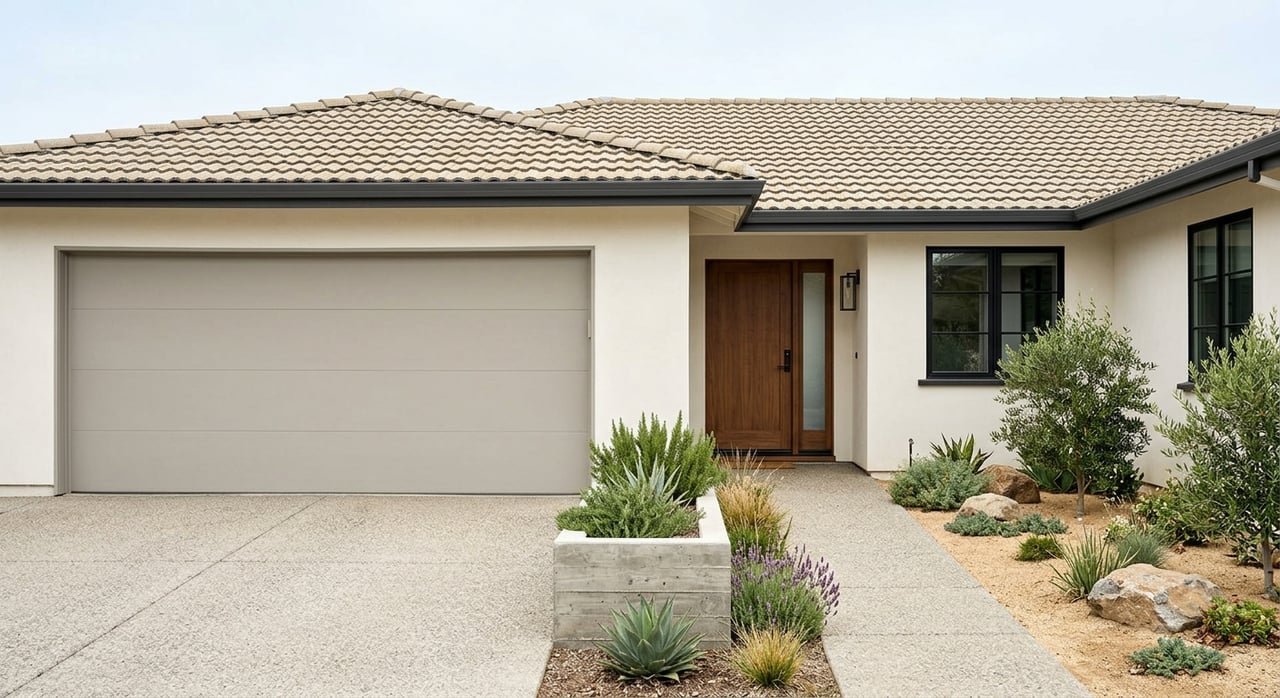
Commuter-Friendly Living In Downey
If your workday starts with a commute, where you live can shape your routine in a big way. You want a home that fits your budget and lifestyle, but you also want practical access to freeways, transit, and everyday routes that make getting around easier. In Downey, you can find that balance if you know what to look for. Let’s dive in.
Downey sits about 12 miles southeast of downtown Los Angeles, and the city highlights access to I-605, I-5, I-105, and I-710 in its planning materials. Those freeway connections help link residents to downtown Los Angeles and Orange County job centers, which is a big reason many buyers consider Downey a commuter-friendly base. According to the city, regional access is one of Downey’s key location advantages.
That said, Downey is not a rail-first city. It works better for people who want a suburban setting with strong freeway access and transit as a helpful backup option. If that matches how you travel, Downey may be worth a closer look.
One of the biggest commuting advantages in Downey is that you are not relying on a single route to get in and out of the city. The city maintains 214 miles of roadway, including 43 miles of arterial highways, which means your drive is often shaped by a mix of local streets and freeway access.
This matters when you are house hunting. A home with easier access to major streets can make day-to-day travel feel simpler, even if the mileage to work stays the same. In a region where traffic patterns can change by time of day, route flexibility is a real benefit.
The city identifies Firestone Boulevard as its primary commercial corridor, with access to both I-605 and I-710. It also describes Imperial Highway as a three-mile east-west arterial in the southern part of Downey.
For buyers, that means homes near these corridors may offer a stronger mix of local convenience and commuting access. They are not the only areas to consider, but they are practical places to start when commute time is one of your top priorities.
If you prefer to mix driving with transit, Downey has more options than many buyers expect. Metro notes that bus lines 111, 115, 117, 120, 127, 265, and 266 serve stops within the city, and the C Line Lakewood Blvd Station is located in Downey.
The city also notes that Long Beach Transit Route 22 reaches the Lakewood Blvd station area, and Metro Micro’s Watts/Compton zone serves some parts of Downey. This gives commuters a few ways to piece together a trip, especially if you are not looking for a single-seat ride every day.
Based on the city’s corridor descriptions and Metro station and route locations, homes near Lakewood Blvd Station, Firestone Boulevard, or Imperial Highway generally offer the strongest mix of freeway and transit access. This is not a formal city ranking, but it is a practical takeaway for buyers who want more than one way to get around.
If you are comparing homes, it helps to ask a simple question: How easy is it to reach my main route, transit stop, or freeway on-ramp from here? In commuter-friendly home shopping, that answer can matter as much as square footage.
For many commuters, the best setup is not fully driving or fully taking transit. It is using both. At Lakewood Blvd Station, Metro lists 371 parking spaces with daily and monthly parking permits, which makes park-and-ride a realistic option for residents who live farther from the station.
This can be especially helpful if you want access to rail without feeling limited to homes within walking distance of the station. A short drive to a parking lot may open up more housing choices while still giving you a transit option for part of your trip.
For budgeting, Metro’s standard bus and rail fare is $1.75 per ride and includes two hours of free transfers. If you use Metro for work, that simple fare structure can help you estimate commute costs more clearly.
Still, it is important to remember that cost and convenience are not always the same thing. A lower-cost trip may take longer, so it helps to compare both time and expense when deciding what kind of commute fits you best.
Downey also operates DowneyLINK, a separate local shuttle system. According to the city, it runs Monday through Friday from 6:30 a.m. to 6:30 p.m., follows four routes, costs 50 cents, and does not run on weekends.
That can be useful for local circulation, but there are a few limits to keep in mind. The city notes that posted times are not always exact because of traffic, and Metro and DowneyLINK fares are not interchangeable. If you plan to use both systems, you will need to account for separate fare rules and possible timing gaps.
For residents who need more support, the city also offers Dial-A-Ride service for seniors 65+ and people with disabilities. That does not apply to every buyer, but it can be an important part of long-term planning for some households.
Downey is commuter-friendly, but it helps to define that term clearly. The city’s commute profile is not unusually short for the region. The U.S. Census reports a 31.0-minute mean travel time to work in Downey, compared with 30.4 minutes for Los Angeles County.
In other words, living in Downey does not automatically mean a quick commute. It means you may have a practical home base with several ways to get where you need to go, depending on your destination and schedule.
This is especially true for longer cross-county trips. Metro says Line 117 to the LAX area takes about 90 minutes from Downey. That is a helpful reminder that a transit-accessible home is not always the same as a fast commute.
If you work near LAX, in central Los Angeles, or in Orange County, it is smart to test commute scenarios before you buy. Look at travel time during the hours you would actually leave home, not just midday map estimates.
When you are shopping for a home in Downey, it helps to think beyond the address alone. A commuter-friendly home is often about the combination of location, route options, and how much daily flexibility you have.
Here are a few practical things to compare as you narrow down your options:
This kind of step-by-step review can help you focus on homes that fit your real life, not just homes that look good online.
For many buyers, the answer is yes, especially if you want a Southeast Los Angeles County location with strong freeway access and some transit support. Downey works best as a suburban commuter base rather than a rail-dominant transit hub. That can be a very good fit if you drive regularly, want multiple route options, or like the idea of using transit selectively.
If you are planning a move and commute is a major part of your decision, I can help you compare homes with the full picture in mind. From freeway access to transit options to everyday practicality, the goal is to find a home that supports your life, not just your wish list. When you are ready to explore your options in Downey, connect with Karina Chavez.
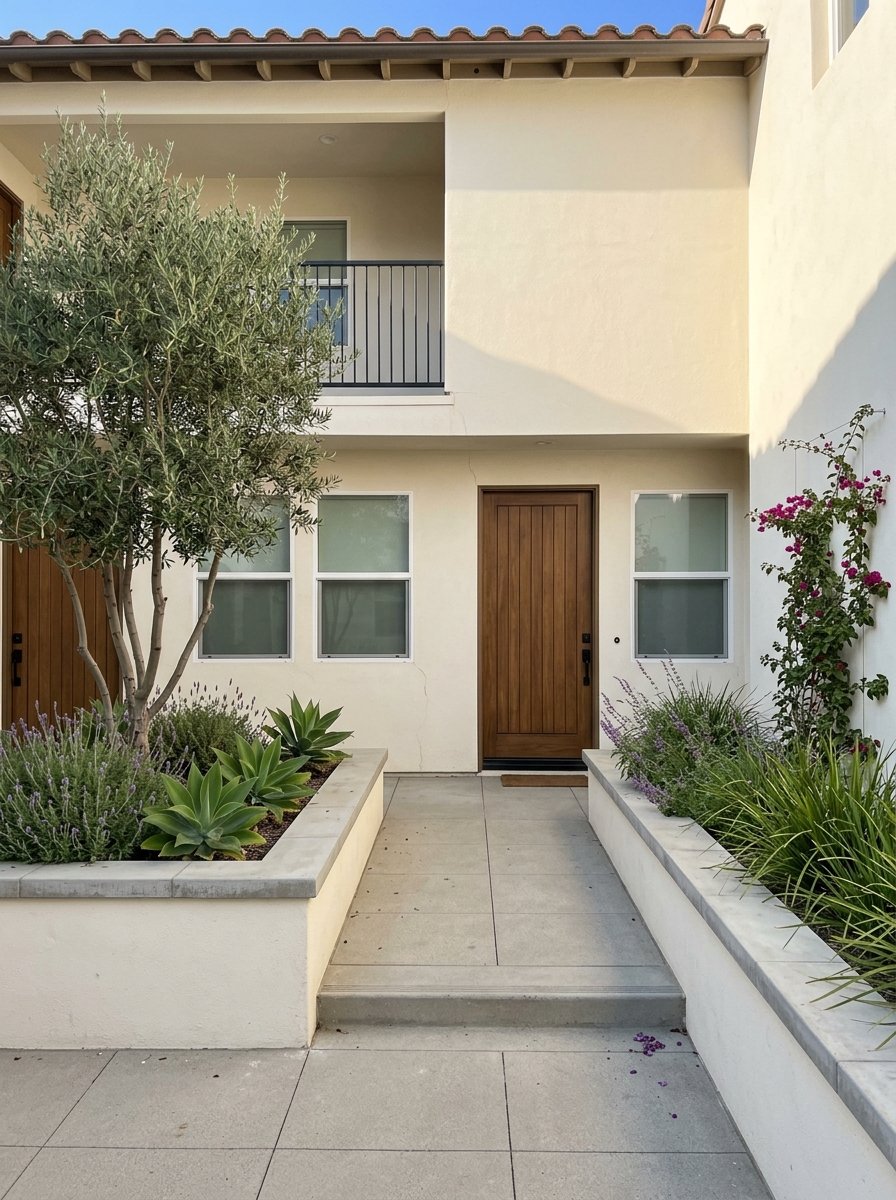
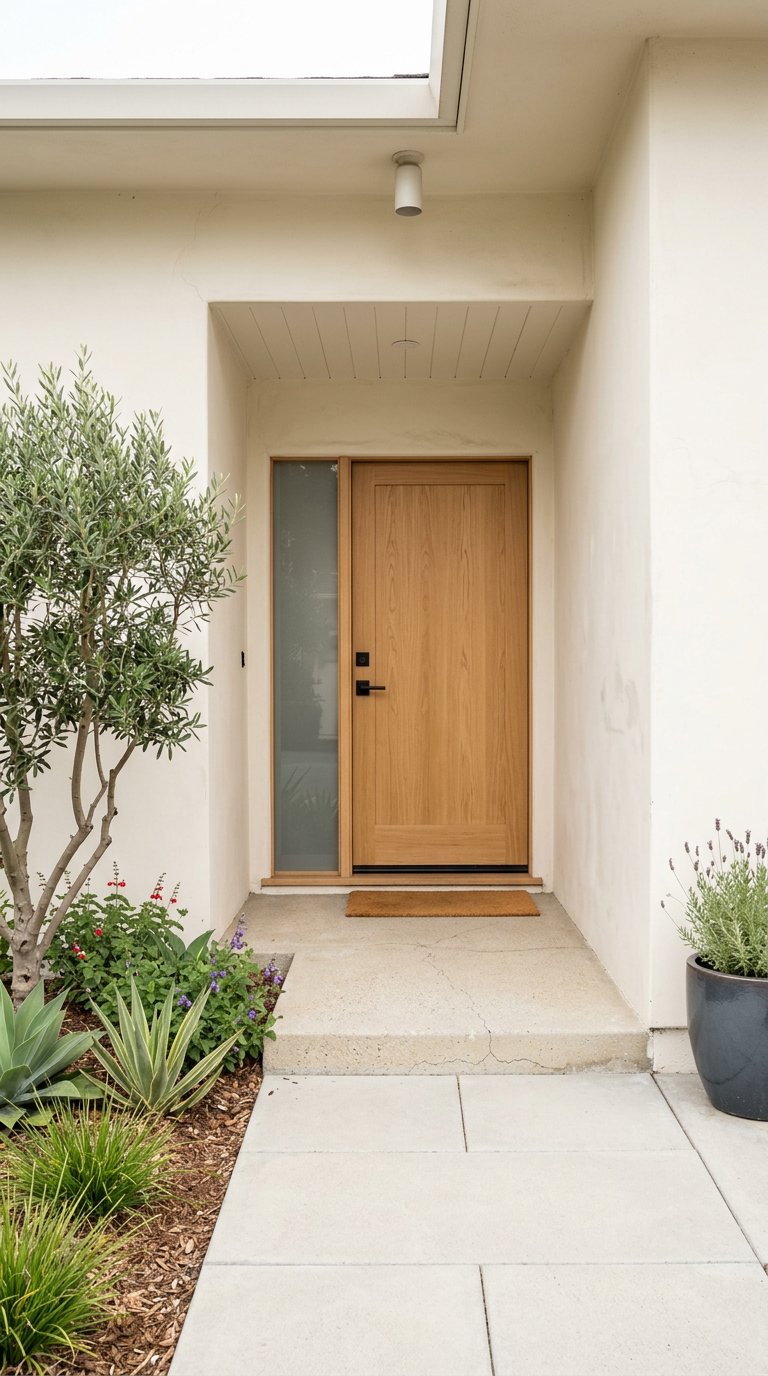
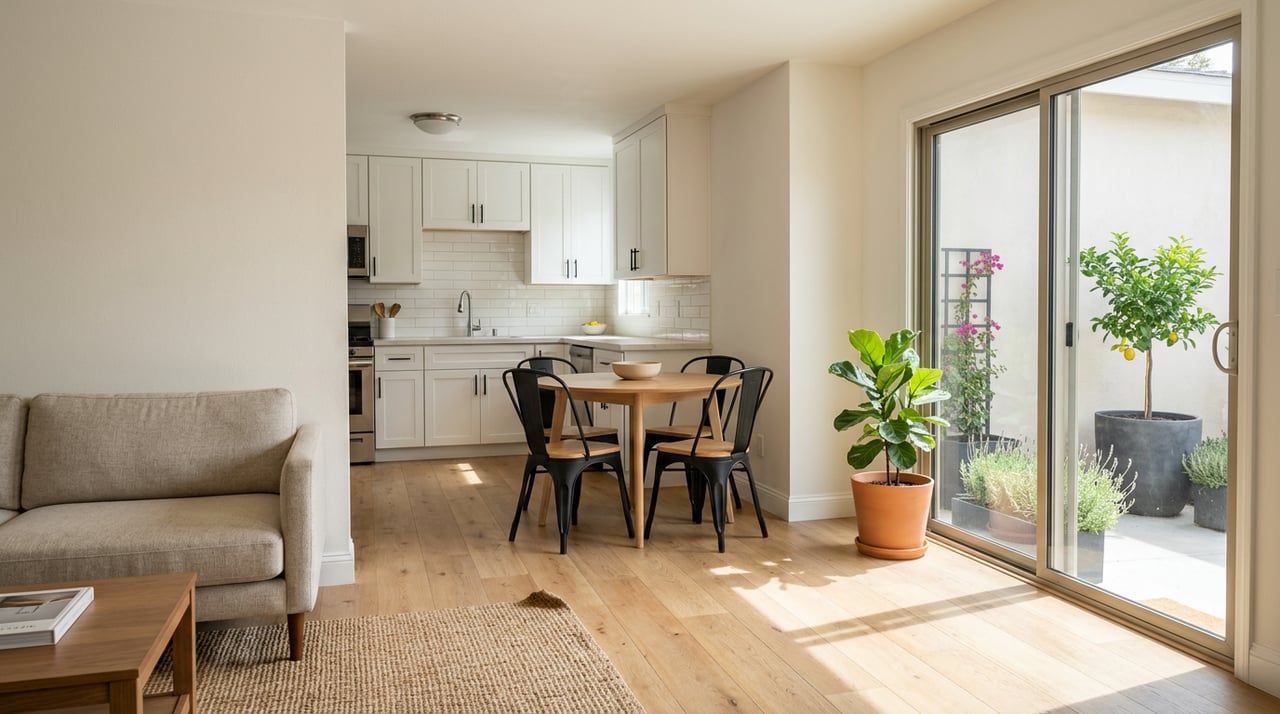
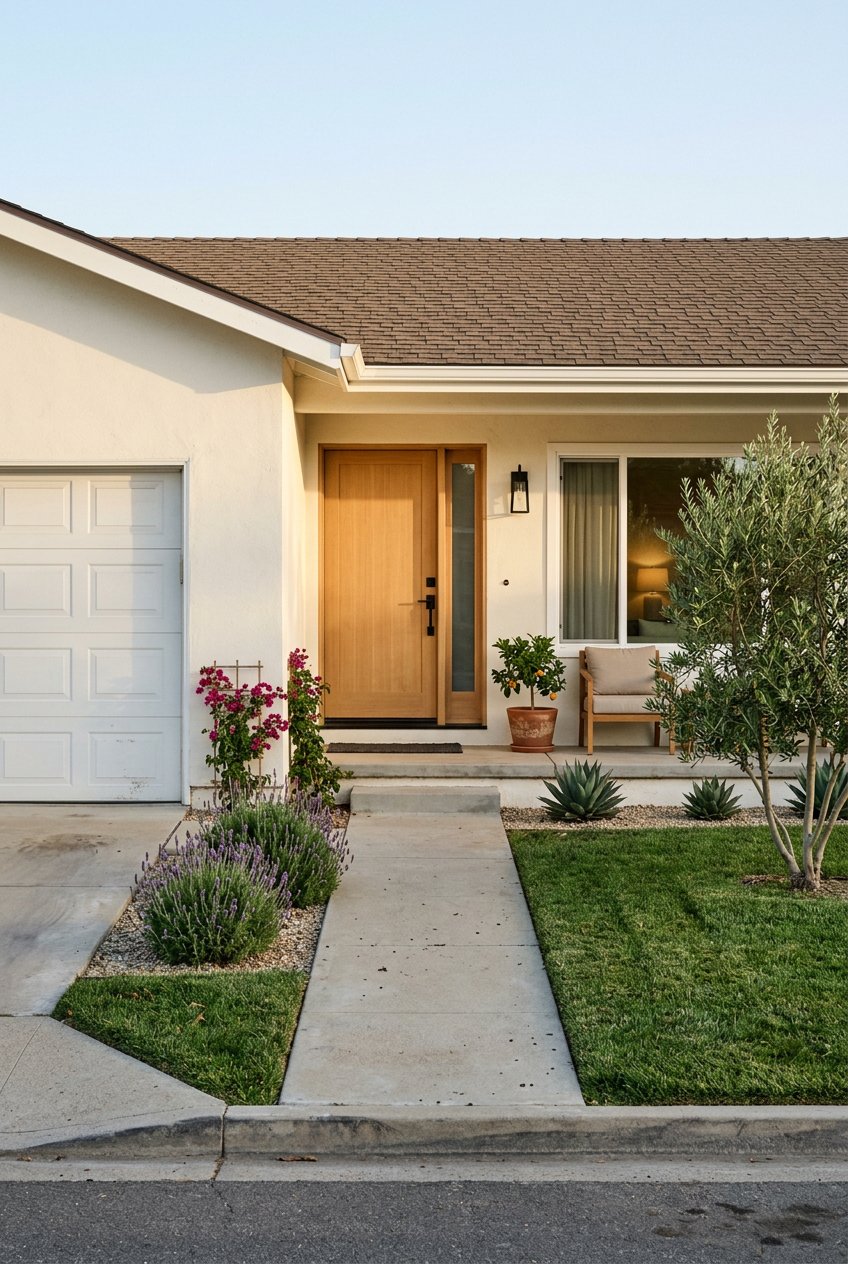
Whether you’re buying your first home, selling a trust property, or navigating a probate sale, my goal is always the same: to provide honest guidance, strong advocacy, and a smooth experience from beginning to end. Real estate is about people, not just properties and I would be honored to help you take your next step.
KARINA CHAVEZ | CA DRE# 01360910
9155 TELEGRAPH RD PICO RIVERA, CA 90660